
Pentagon Adopts Palantir AI System
Maven becomes official defense program.

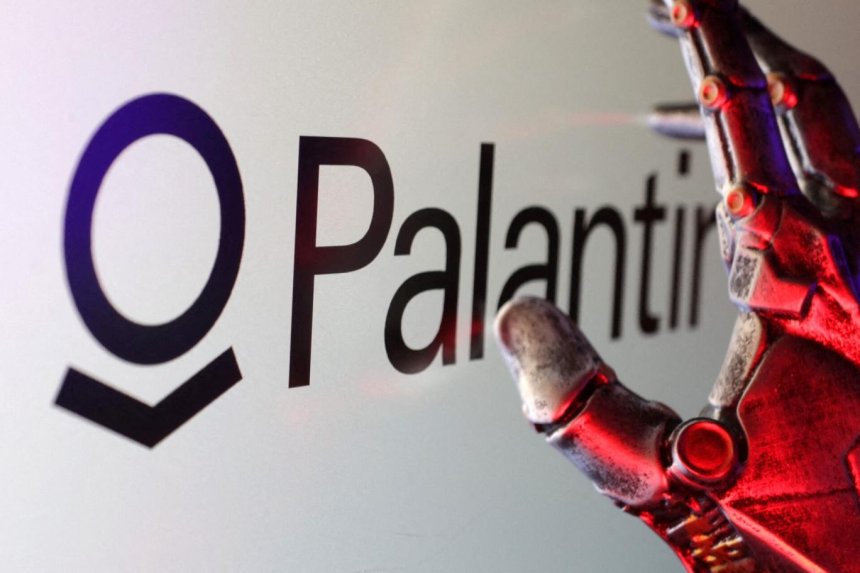
Pentagon Expands AI Strategy: Palantir’s Maven Platform Becomes Official Program
The United States Department of Defense has formally integrated Palantir’s Maven platform into its defense infrastructure as part of a broader push to expand artificial intelligence capabilities.
According to a memorandum sent on March 9 by Deputy Defense Secretary Steve Feinberg to senior Pentagon officials, the Maven system will be deployed across the US military on a long-term basis.
Maven is a command-and-control platform capable of processing vast amounts of data collected from satellites, drones, radar systems, and intelligence reports. Using artificial intelligence, it can automatically identify military targets, including vehicles, infrastructure, and weapons depots.
Pentagon officials state that the system provides “new tools necessary to detect, deter, and achieve superiority over adversaries across all domains.”
Analytical reports suggest that Maven is already being used in US military operations, including the coordination of strikes in the Middle East.
However, the growing reliance on such technologies has sparked significant ethical and legal concerns. United Nations experts warn that AI systems capable of selecting targets without direct human intervention pose serious risks.
Palantir maintains that final decisions remain in human hands, with the system serving strictly as an analytical support tool.
The role of Palantir co-founder Peter Thiel, known for his controversial views, has also drawn attention as the company expands its footprint in the defense sector through multi-billion-dollar contracts.
The Maven platform is also reported to integrate Claude, an AI model developed by Anthropic, which has been used in certain US military operations.
Tensions between the Pentagon and technology companies have emerged over the use of AI in areas such as mass surveillance and autonomous weapons, with some firms imposing restrictions.
As a result, the US government has diversified its partnerships, increasing cooperation with alternative providers, including OpenAI.